

Detect and Identify Disruptions through Its Acoustic Signatures
Distributed
Acoustic Sensing
ABOUT SYSTEM
IDENTIFY AND FLAG UNAUTHORISED ACTIVITIES THROUGH ITS ACOUSTIC SIGNATURE.
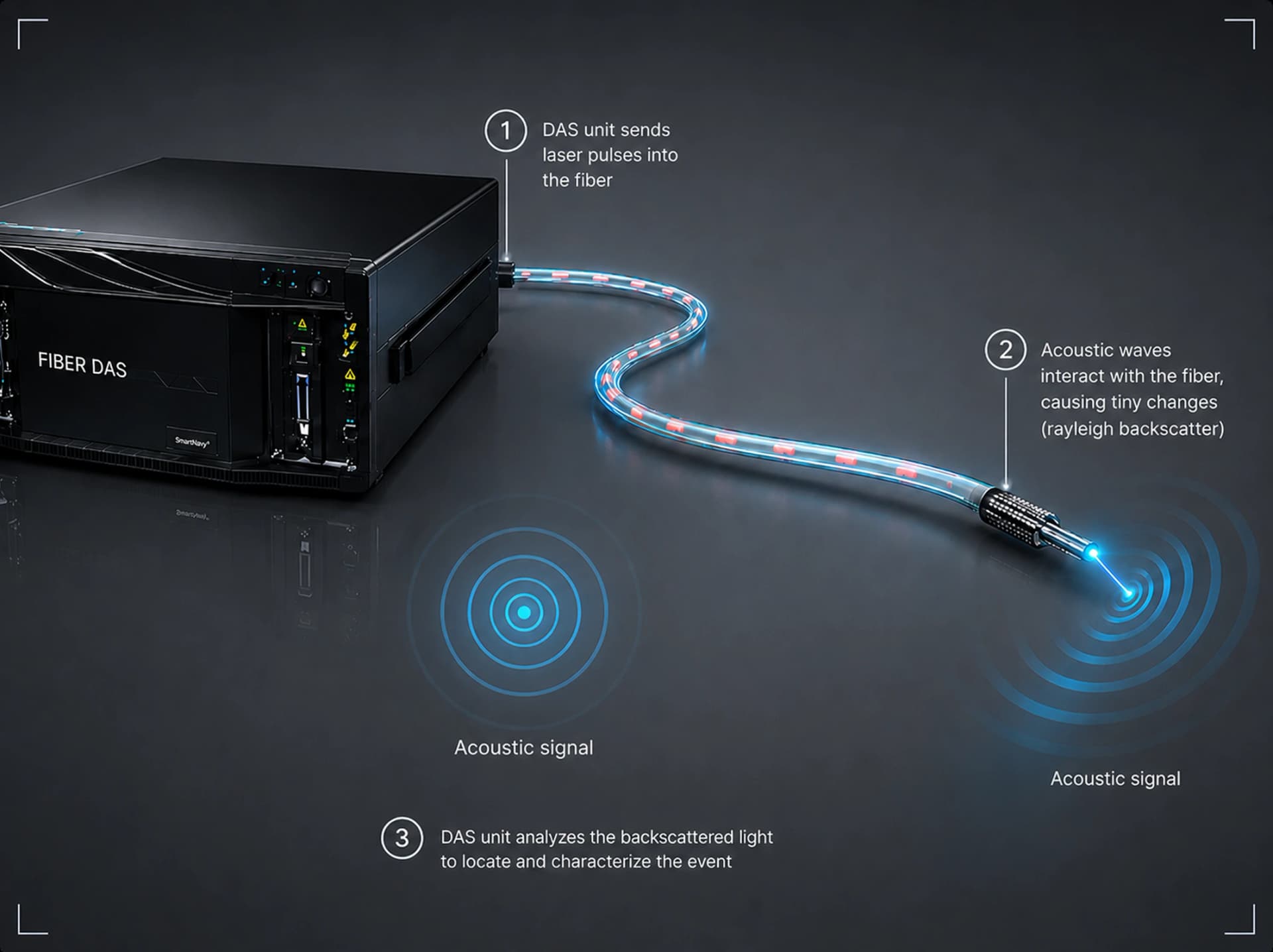
A specialised fibre optic cable, which is highly sensitive, is used for sensing vibrations in its surroundings. These vibrations are sensed through micro-strains induced along the cable by an event which has its unique acoustic signature. The interrogator unit on one end of the cable sends precisely shaped laser pulses and reads Rayleigh backscatter phase changes from every metre simultaneously, producing configurable virtual channels in real time.
AI algorithms monitor all channels in parallel, detecting anomalies, classifying against cross-referenced target classes, and computing bearing, range and speed.
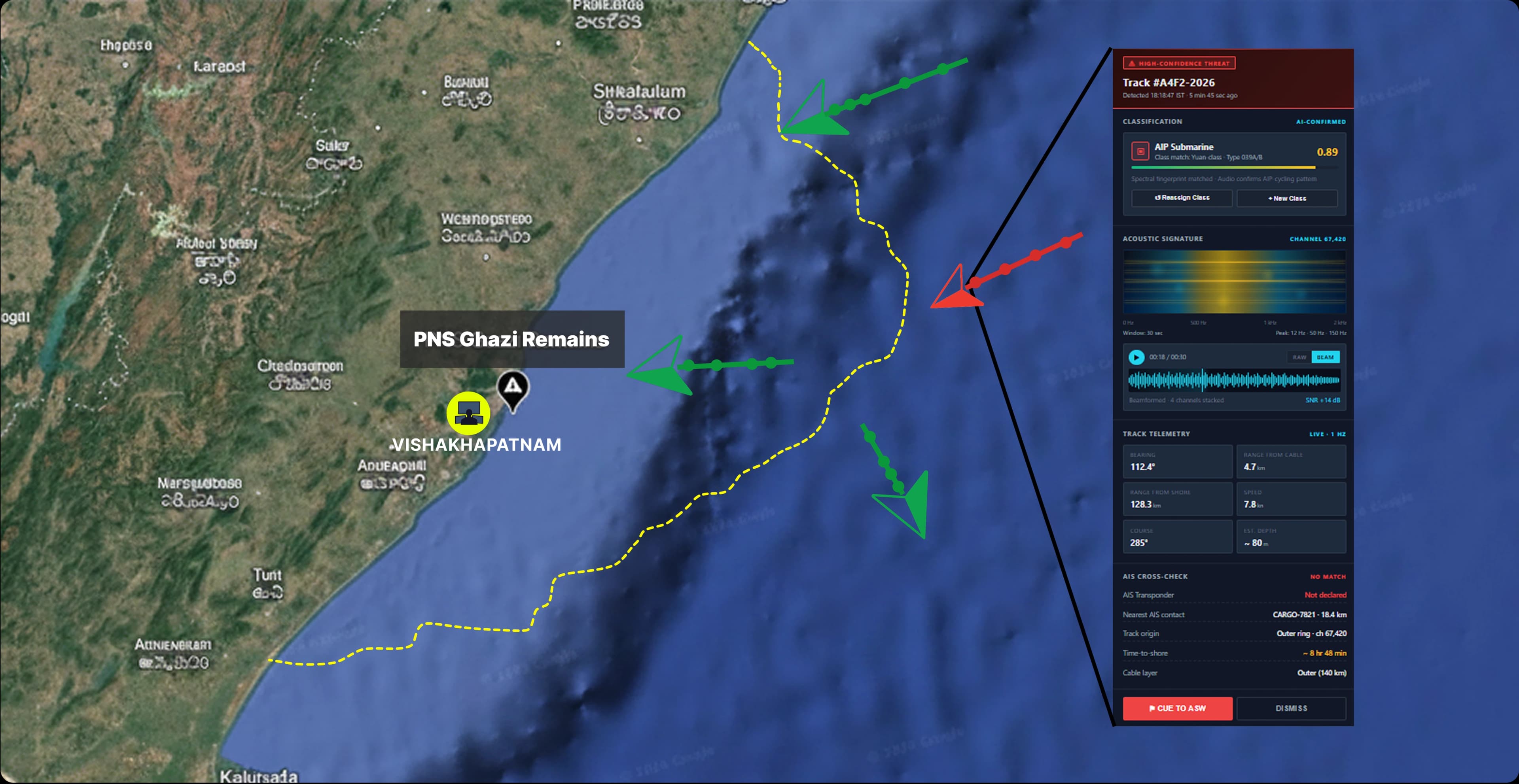
Identified targets that meet a customized threshold reach the Central Command Station as colour-coded tracks with class, confidence, position, spectrogram and high-quality audio, ready for action.
190+
kmContinuous transmission range from the source.
95%
accuracyHigh Detection Accuracy while operating without human intervention.
24/7
surveillanceReal-time threat detection, classification and alerts generation.
<1
meterDetected targets get localized within 1m of accuracy in the section of cable.
Components
Four Components Responsible for Redefining Surveillance.
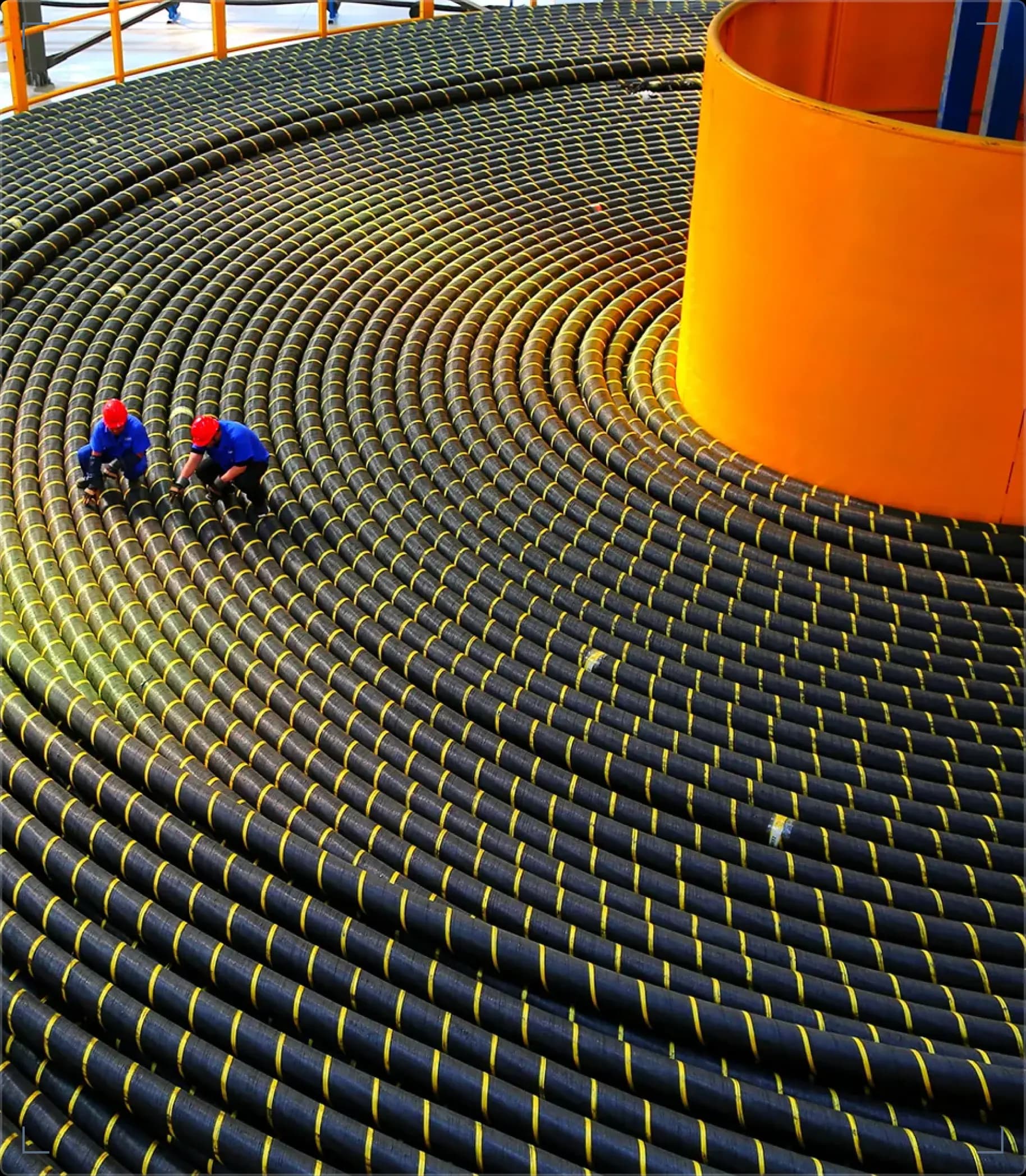
FIBRE OPTIC CABLE
Single-mode, sensing-grade glass to ITU-T G.654.B/D specification: optimised for maximum Rayleigh backscatter sensitivity with attenuation as low as 0.149 dB/km at 1550 nm. The armoured assembly (dual-layer galvanised steel wire construction rated to ≥ 60 kN tensile strength) is built to withstand mechanical assault, environmental interactions across 25 years of operational life cycle.
The X-Factor
Specialized design architecture of Coiled Fibre Hydrophone (CFH) sections wound around compliant mandrels at specialized intervals — amplifying micro acoustic strain by a massive factor and isolating extremely quiet signatures.
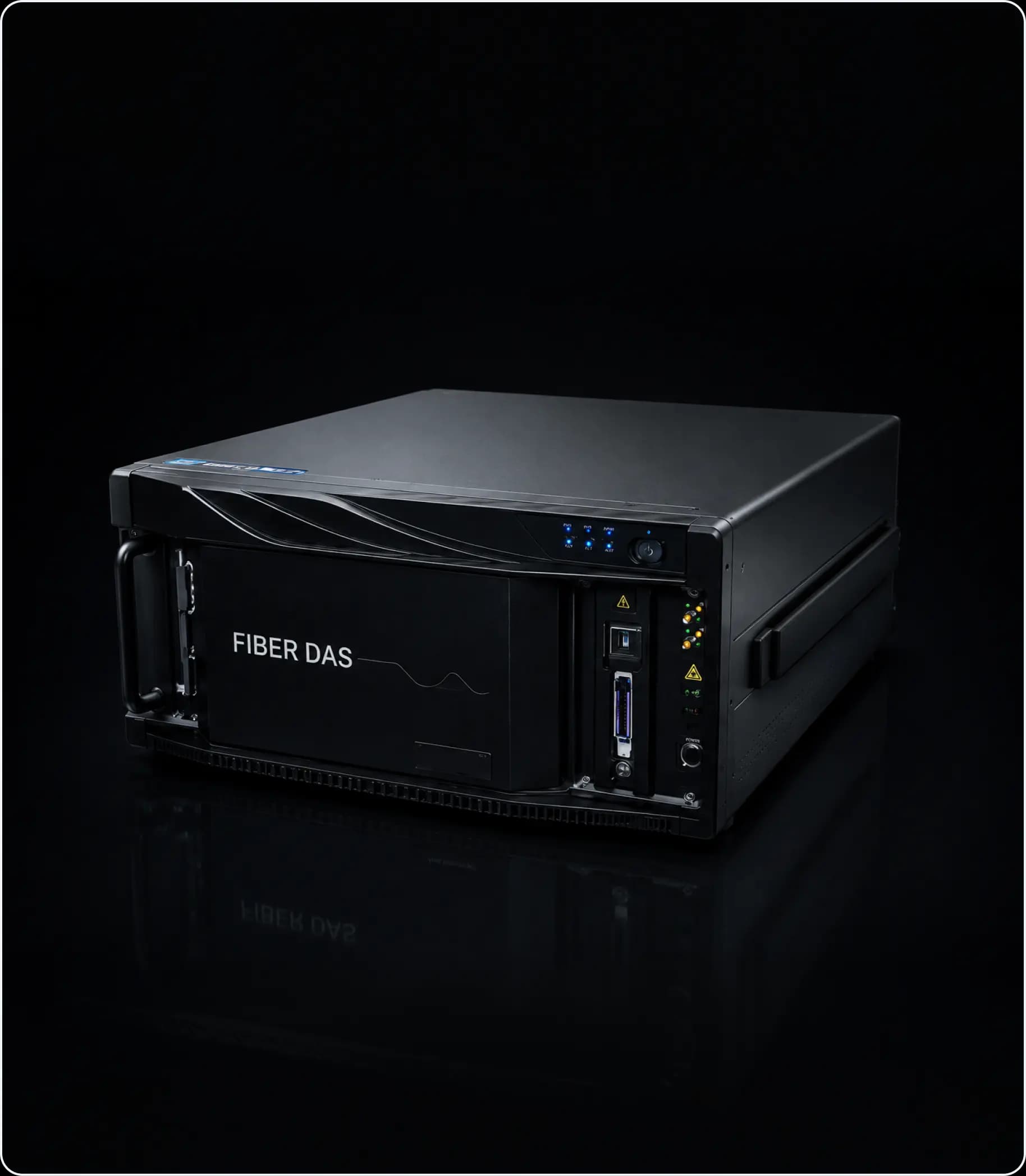
INTERROGATOR UNIT
The optoelectronic engine of the system, operating on Coherent Optical Time Domain Reflectometry (C-OTDR). A customised laser generates precisely gated and frequency modulated pulses, then custom amplified to sustain signal integrity across the full 190 km cable. The Interrogator Unit (IU) enables the operator to optimise measurements across diverse installations with configurable spatial resolution, sensitivity, range, and gauge lengths – without compromising the stability of the DAS technology.
The X-Factor
GPUs running in parallel in the IU process virtual channels at ~400 Gb/s in real time. The IU is fine-tuned such that depending on the areas and traffic it identifies and suppresses the ambient noises. The same precision timing architecture synchronises multiple interrogator units across extended deployments, maintaining unbroken track identity. The IU has multi-channel capability for simultaneous recording of multiple fibres.
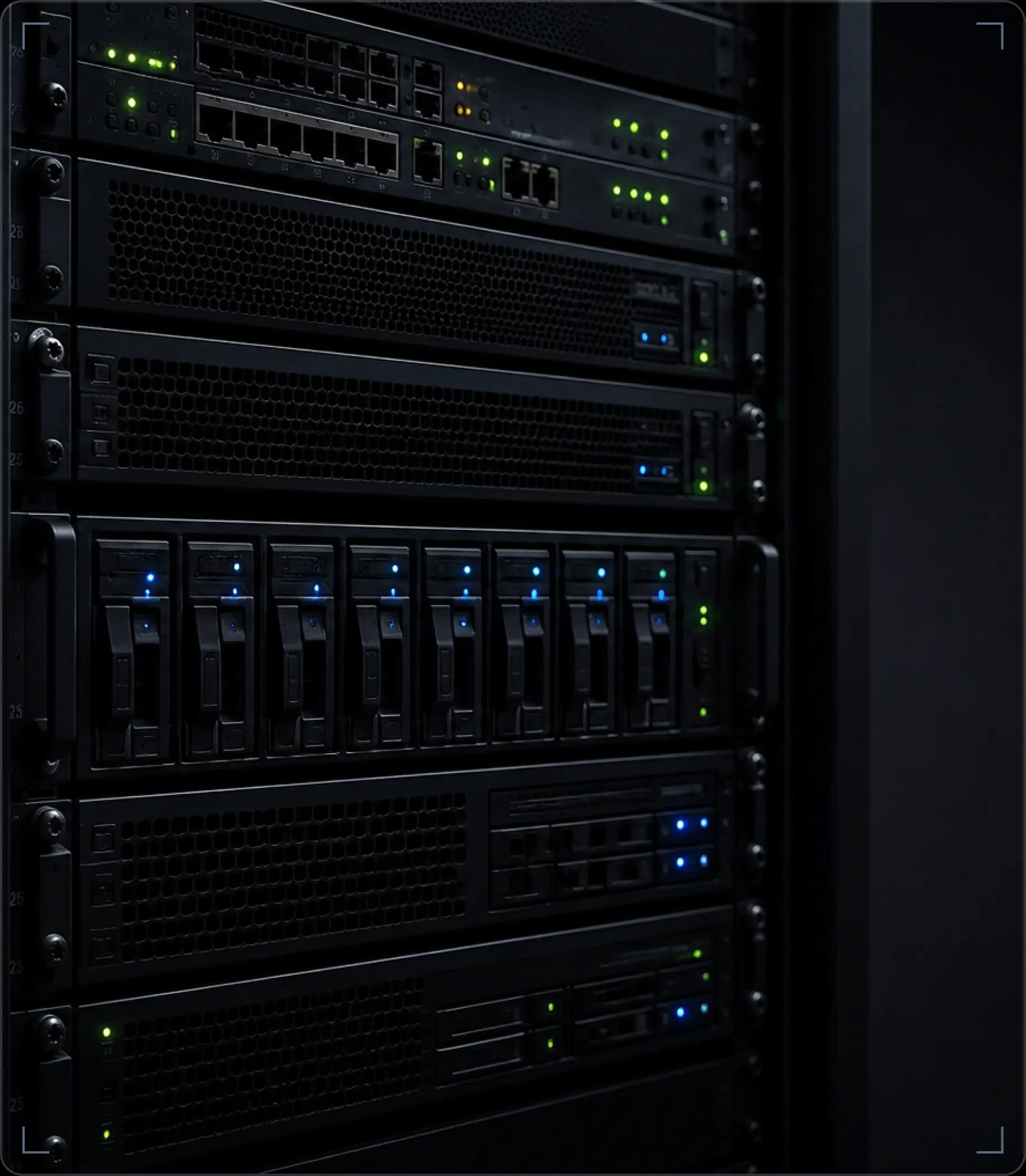
AI INFERENCE SERVER
The computational layer that separates declared traffic from covert targets in real time. Running on four GPUs, the system generates LOFAR and broadband waterfall spectrograms per channel, classifies each detected event across target classes, from intruders and unauthorised vehicles to surface vessels, AIP submarines, UAVs/UUVs and seismic events, and tracks every event.
The X-Factor
Unlike fixed-function detection systems, this pipeline improves in service. Operators can tag unclassified contacts and define new target classes directly from the command interface, data labelled in the field flows back into the training pipeline automatically. Every deployment adapts progressively to its specific acoustic environment.
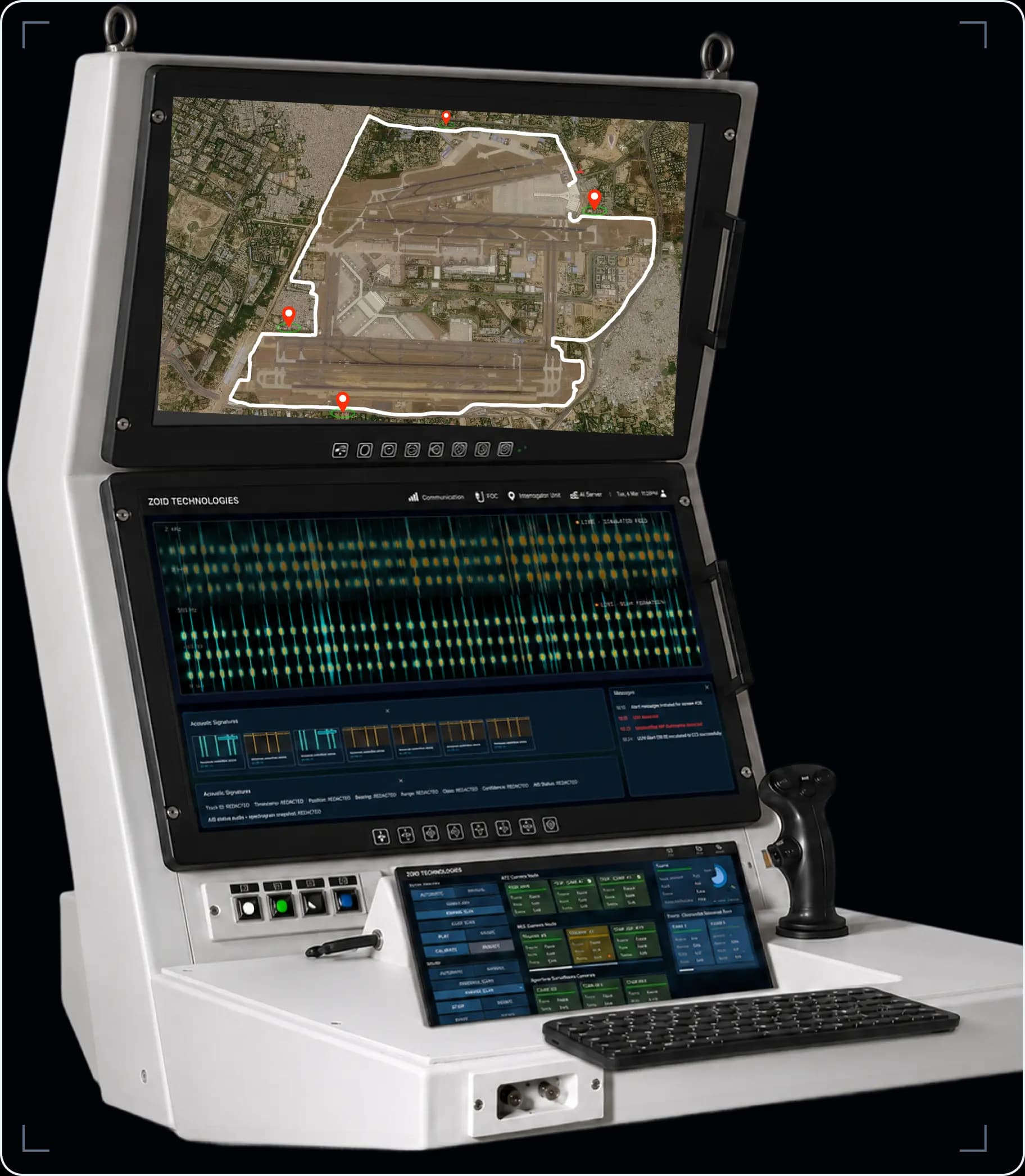
CENTRAL COMMAND STATION
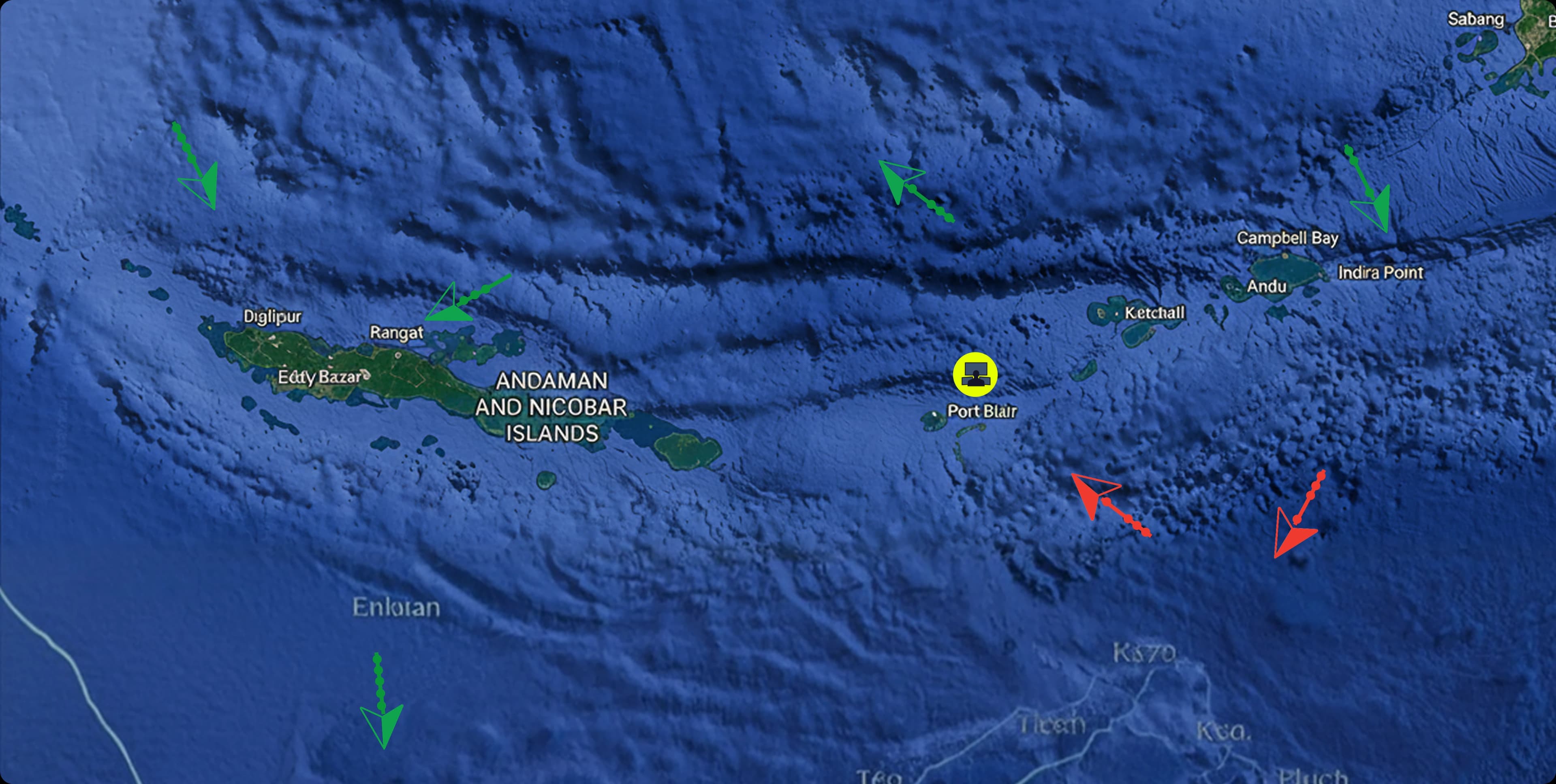
The operator's real-time window into monitoring a live tactical map that outlines the full cable layout with every active acoustic track. A dedicated secondary screen delivers the frequency spectrogram and high-quality audio for any selected target, with per-channel drill-down and a configurable time-frequency window. Track ID persistence is maintained across cable layers and interrogator units, with every alert payload carrying position, bearing, class, confidence, AIDC status, and a full audio and spectrogram snapshot.
The X-Factor
24/7 surveillance system available with minimal human interference; human input is required is for low-confidence audio verification and during decision-making points with actionable intelligence.
Applications
SAME WORKING PRINCIPLE. MULTIPLE APPLICATIONS.
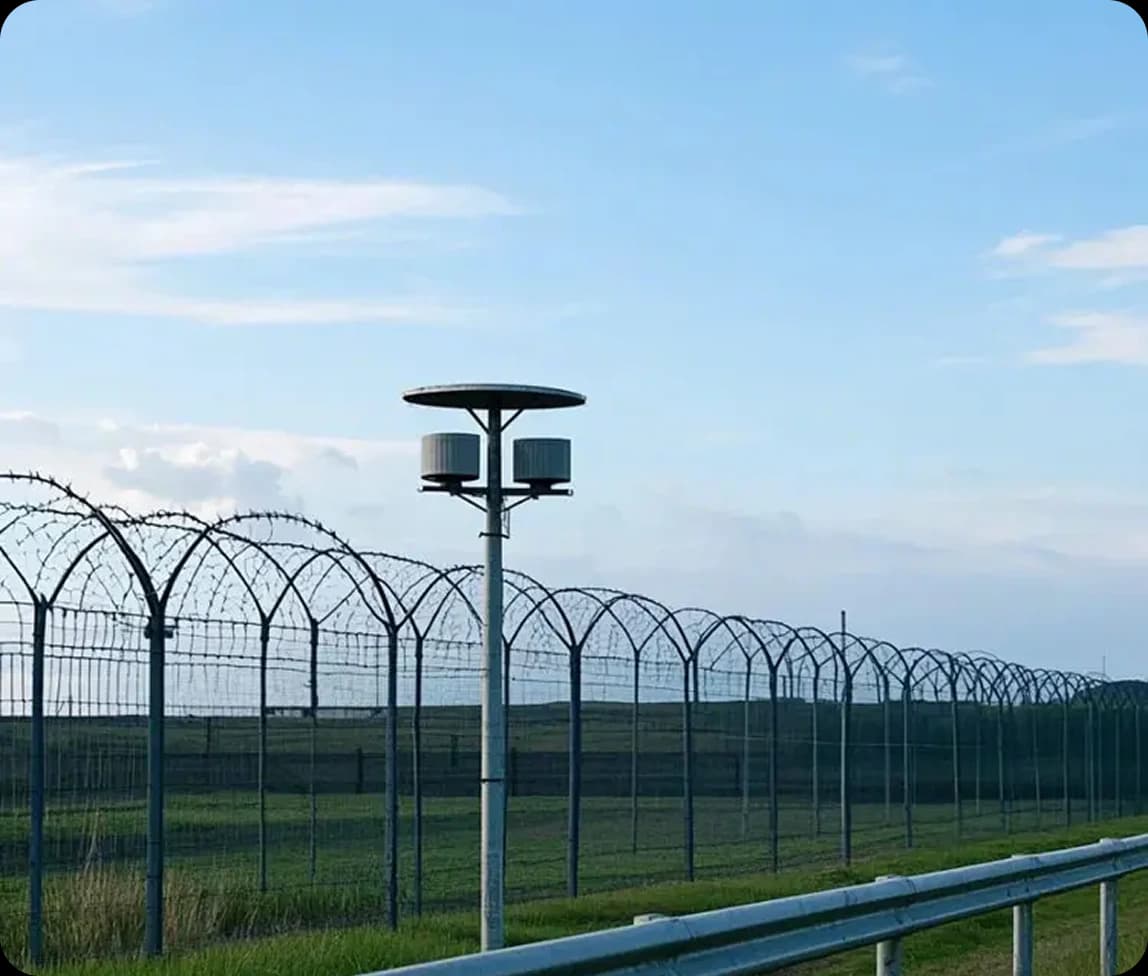
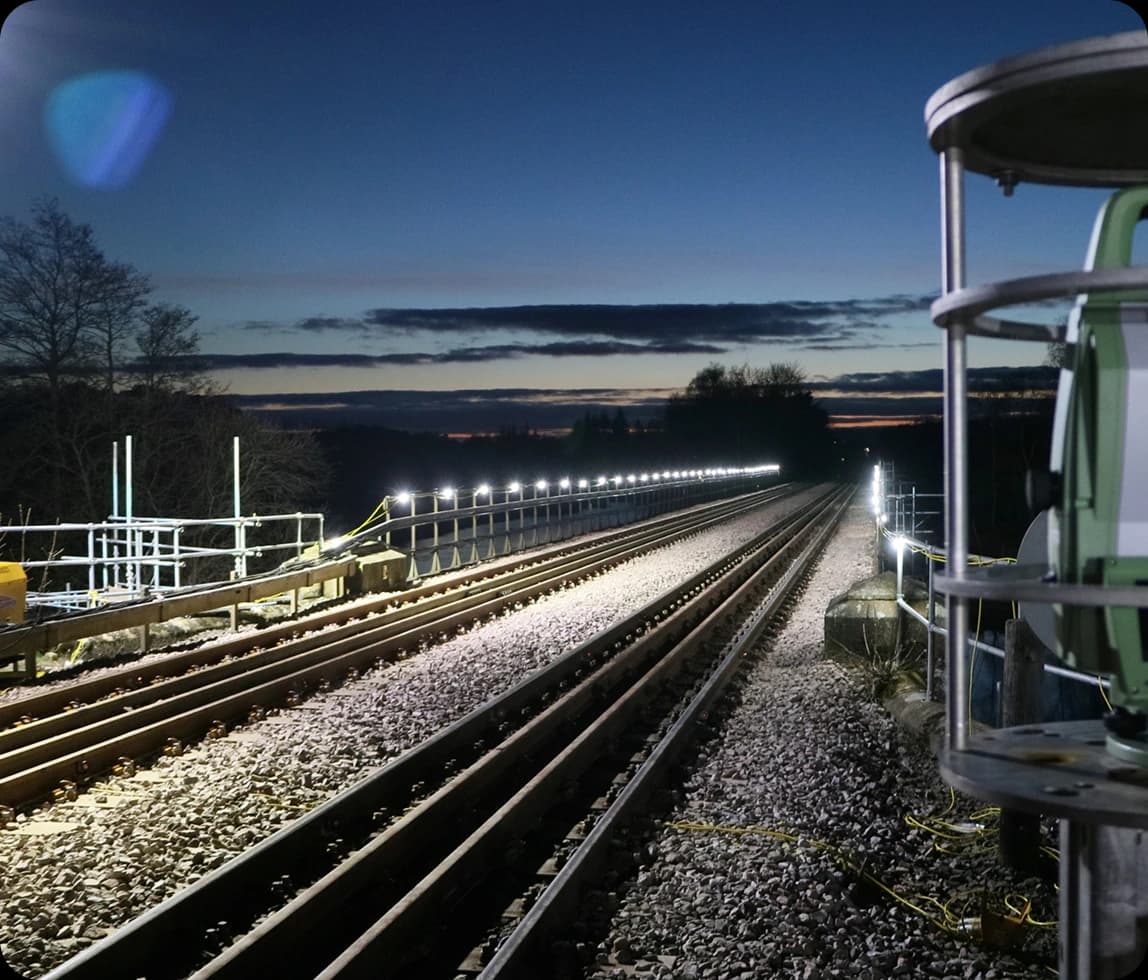
The same fibre optic sensing technology is applicable for marine, border, pipeline, railway and perimeter surveillance. Any fibre optic cable, whether it is laid in seabed, buried along a border, strung along a pipeline, or running alongside a railway, becomes a distributed sensor the moment you connect an interrogator.

Maritime Applications
Border & Perimeter Security
Railway Monitoring
Powerline Monitoring
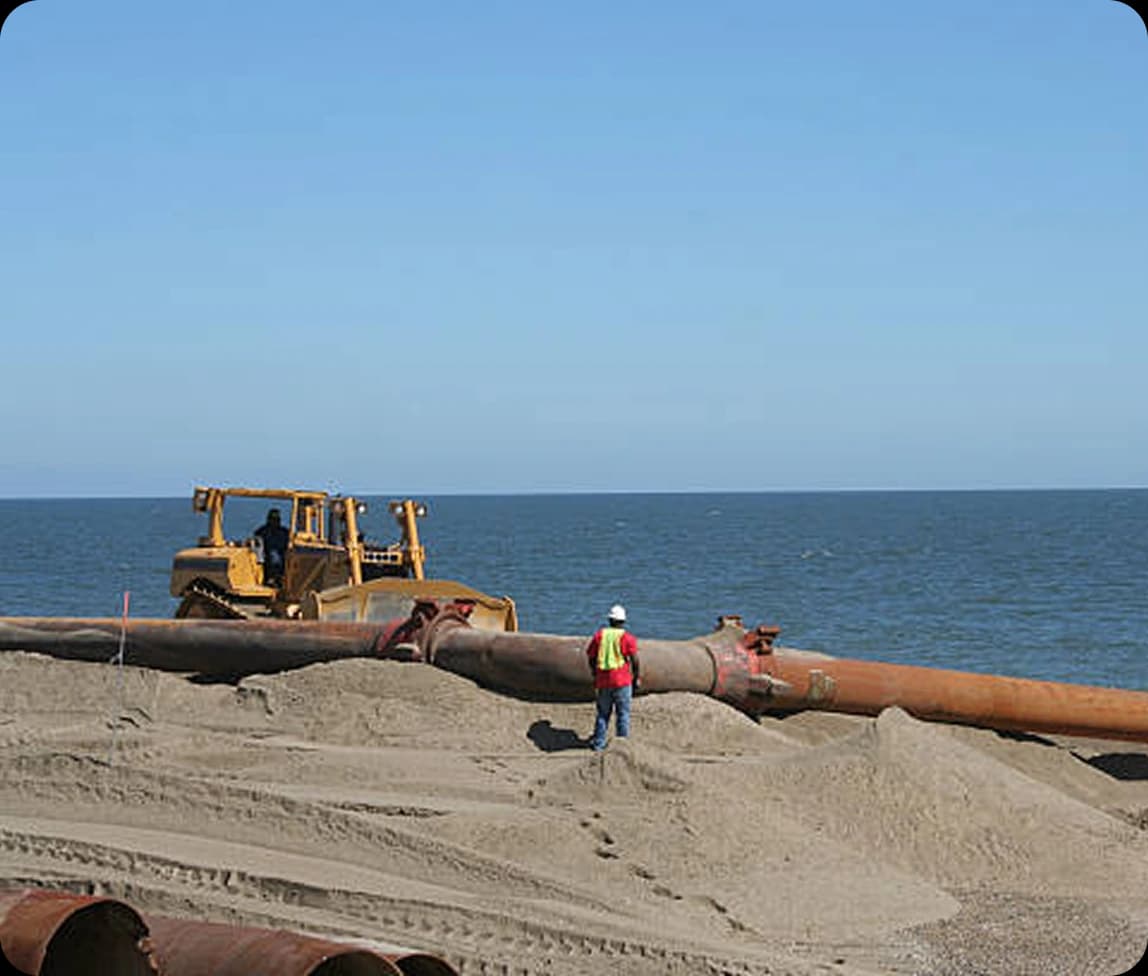
Pipeline Monitoring

Oil & Gas Monitoring
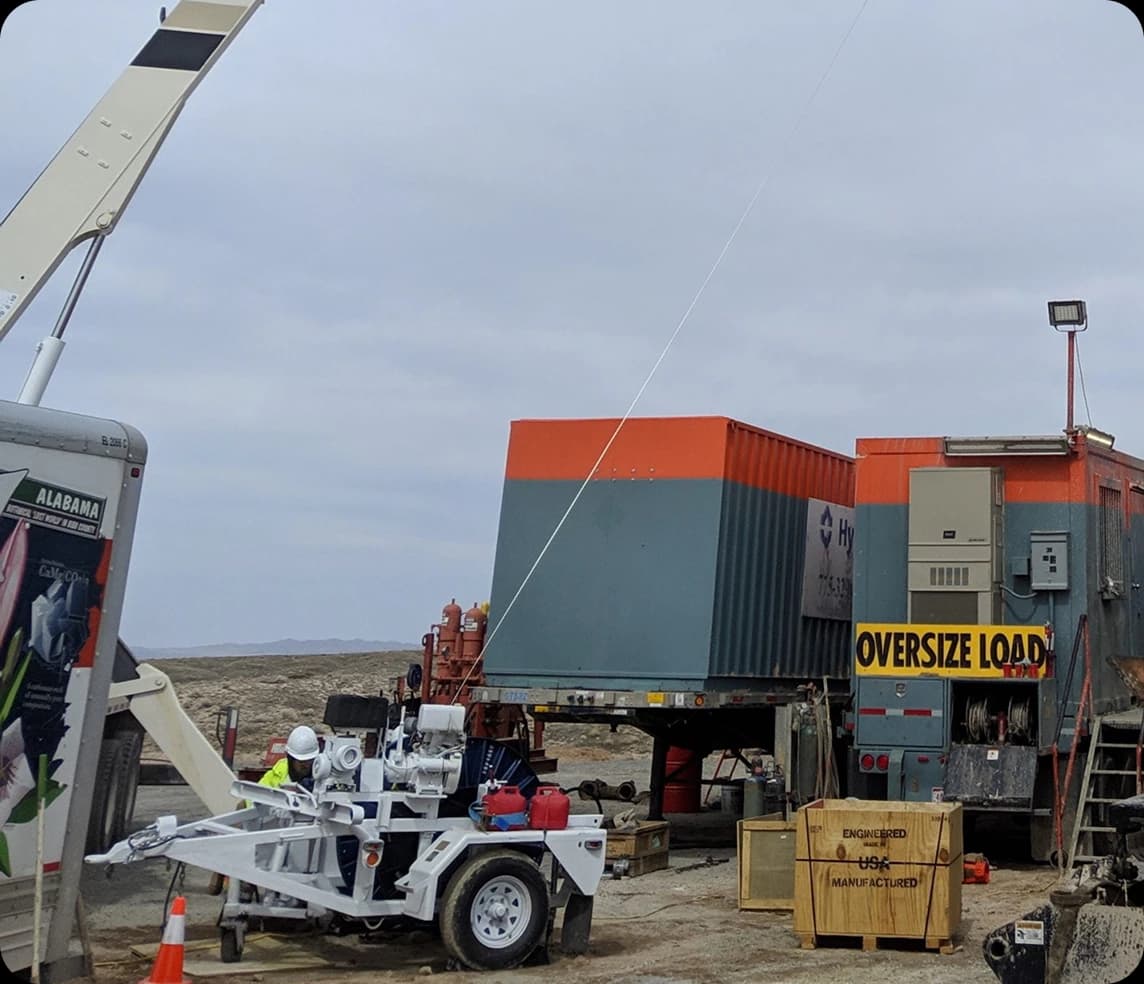
Geophysical Monitoring
Maritime Applications
Border & Perimeter Security
Railway Monitoring
Powerline Monitoring
Pipeline Monitoring
Oil & Gas Monitoring
Geophysical Monitoring
underwater applications
Built for the Ocean.
Just how drones change Ground-to-Ground and Ground-to-Air warfare, AUVs & Surface Boat Drone will change naval warfare!
Acoustic Signatures
Watch Zoid’s DAS Think.
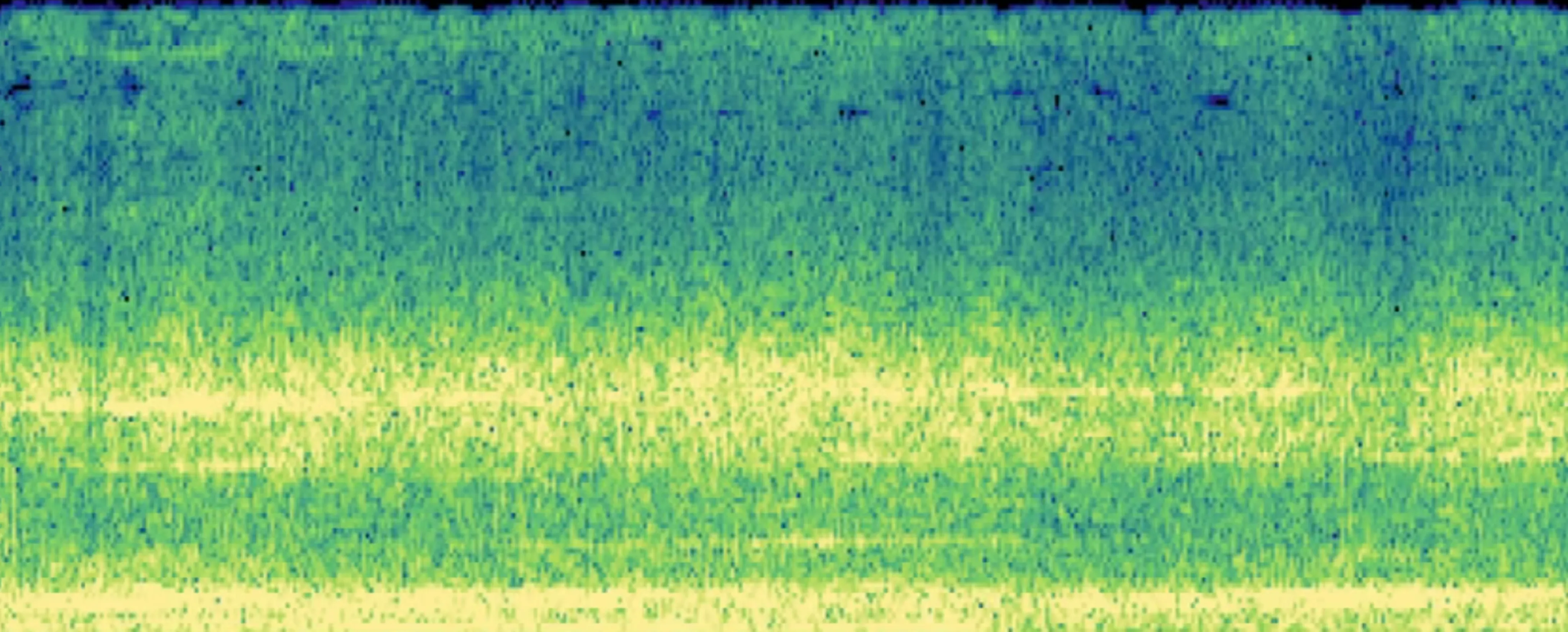
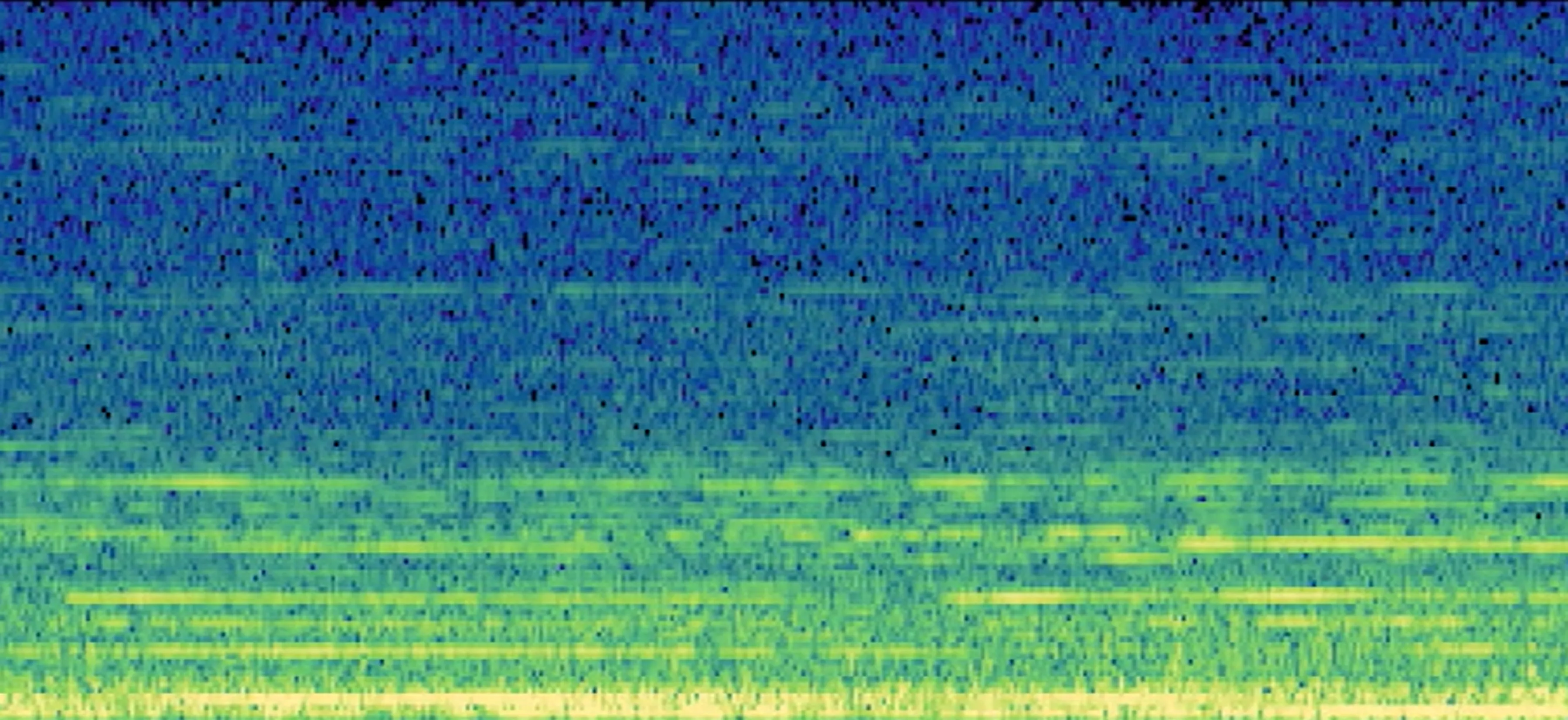
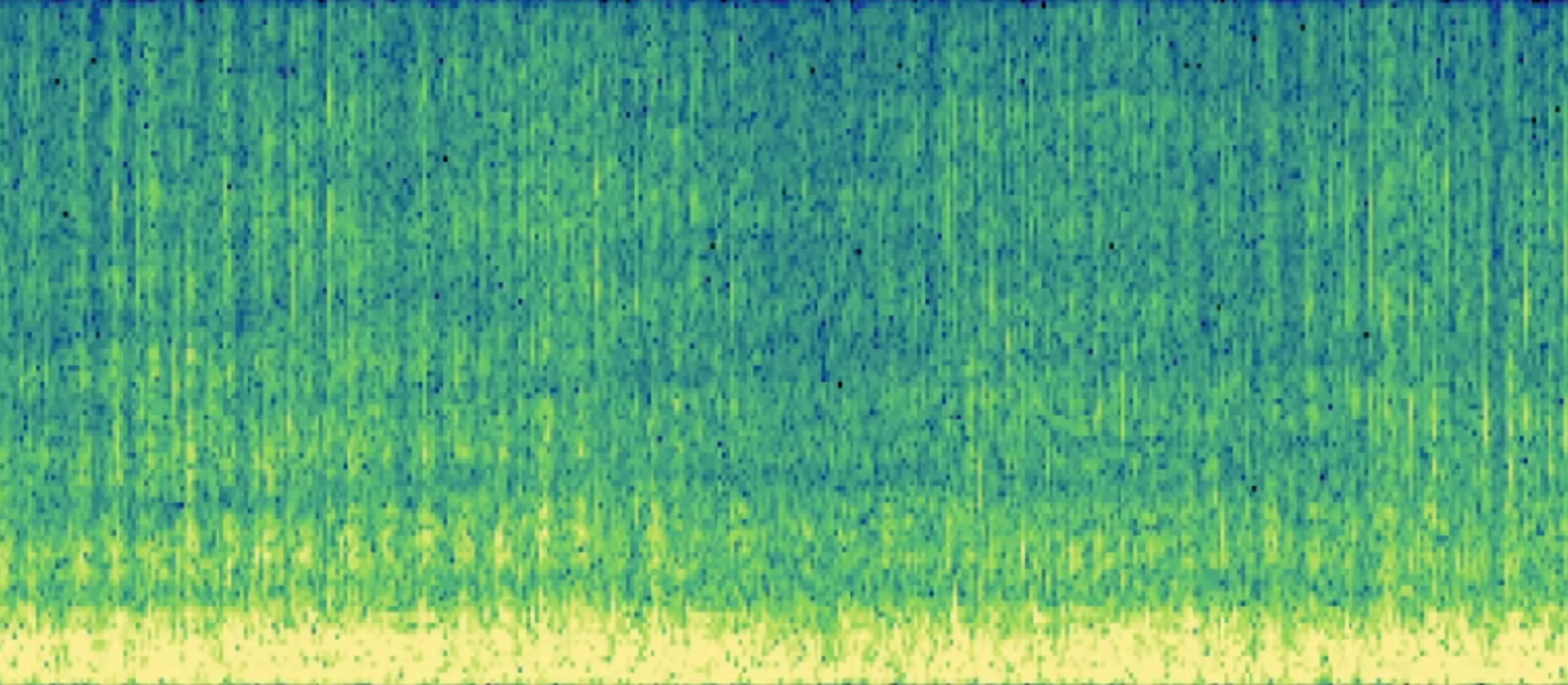
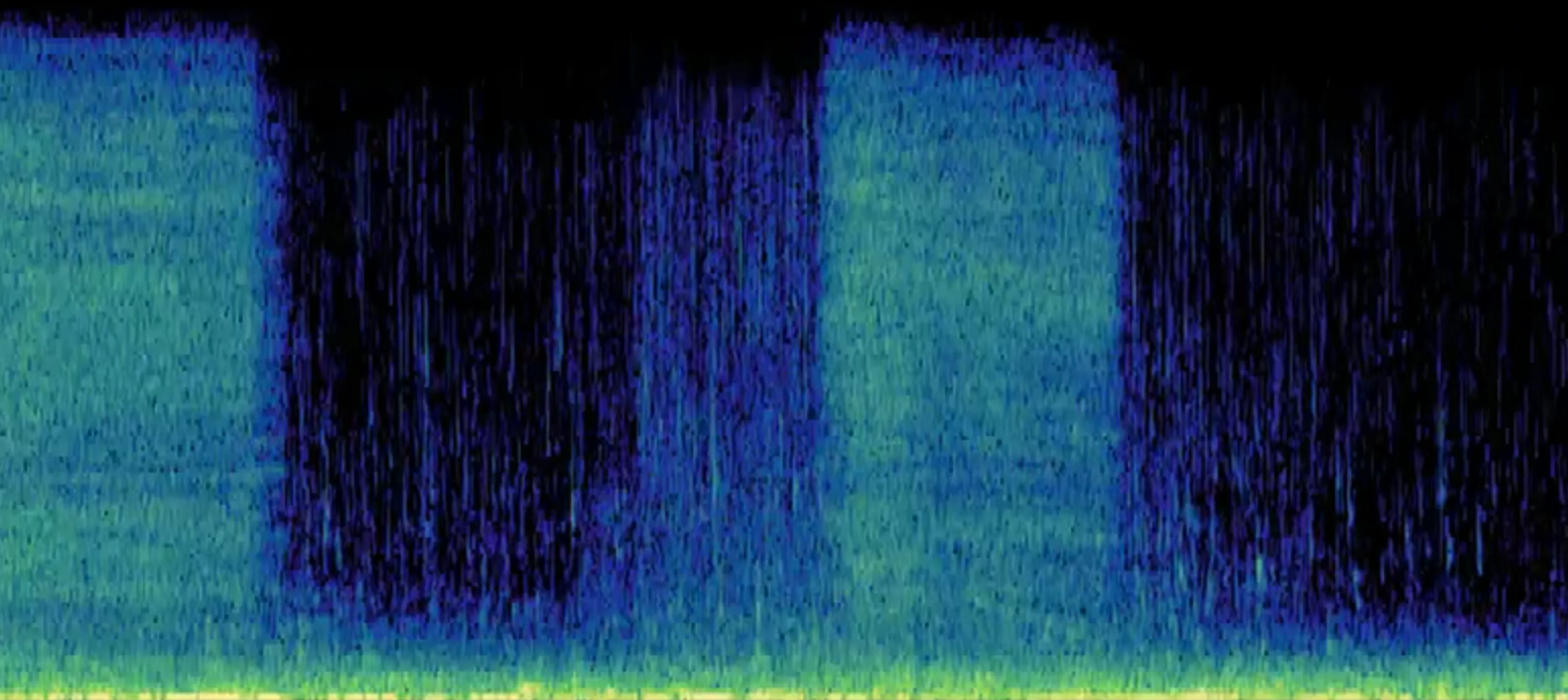
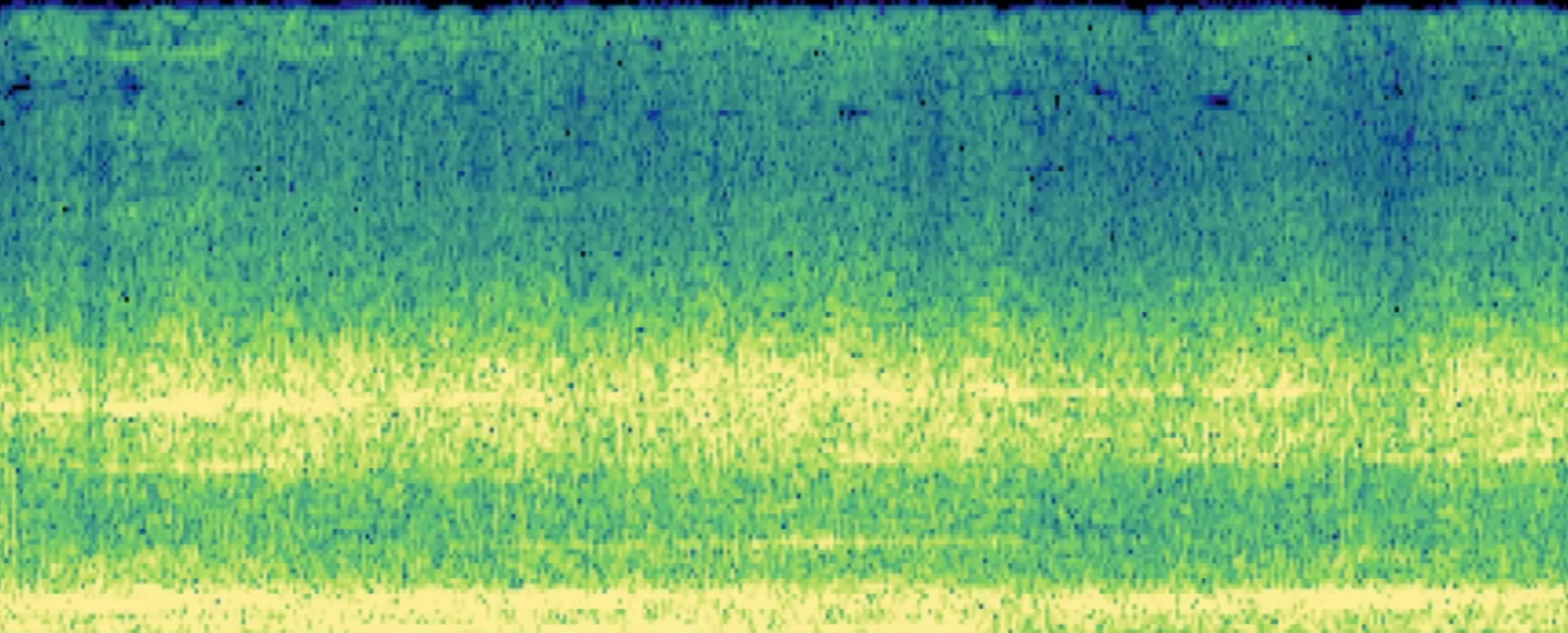
Every object moving through water generates a unique acoustic signature. The system captures these as spectrograms and the AI engine matches them against a trained library in real time.
 LIVE
LIVEAIP Submarine
0-10 KHz
Variety of sonar pulses which could be a single frequency tone (continuous wave), multiple frequency tones, or a frequency modulated pulse (upsweep or downsweep).
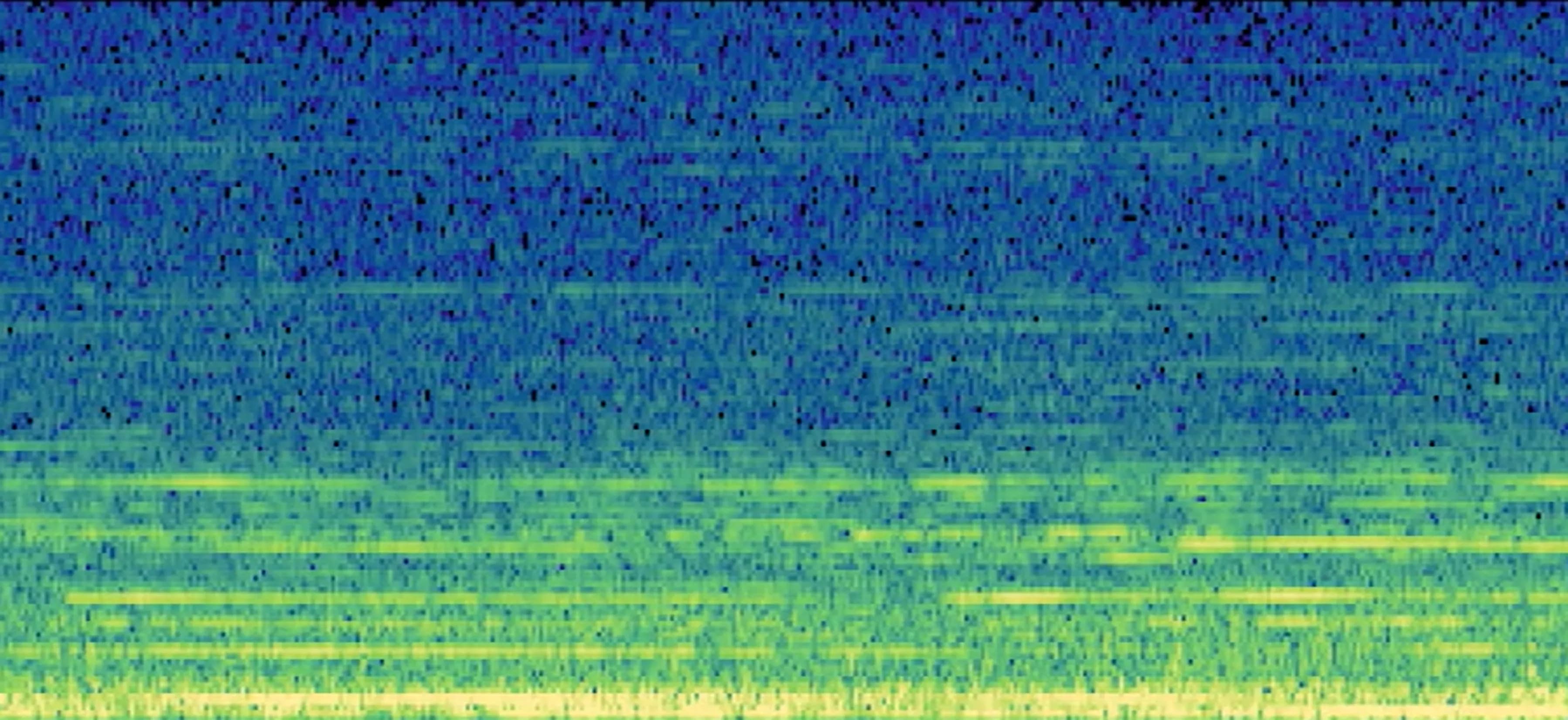
UUV
100-500 Hz
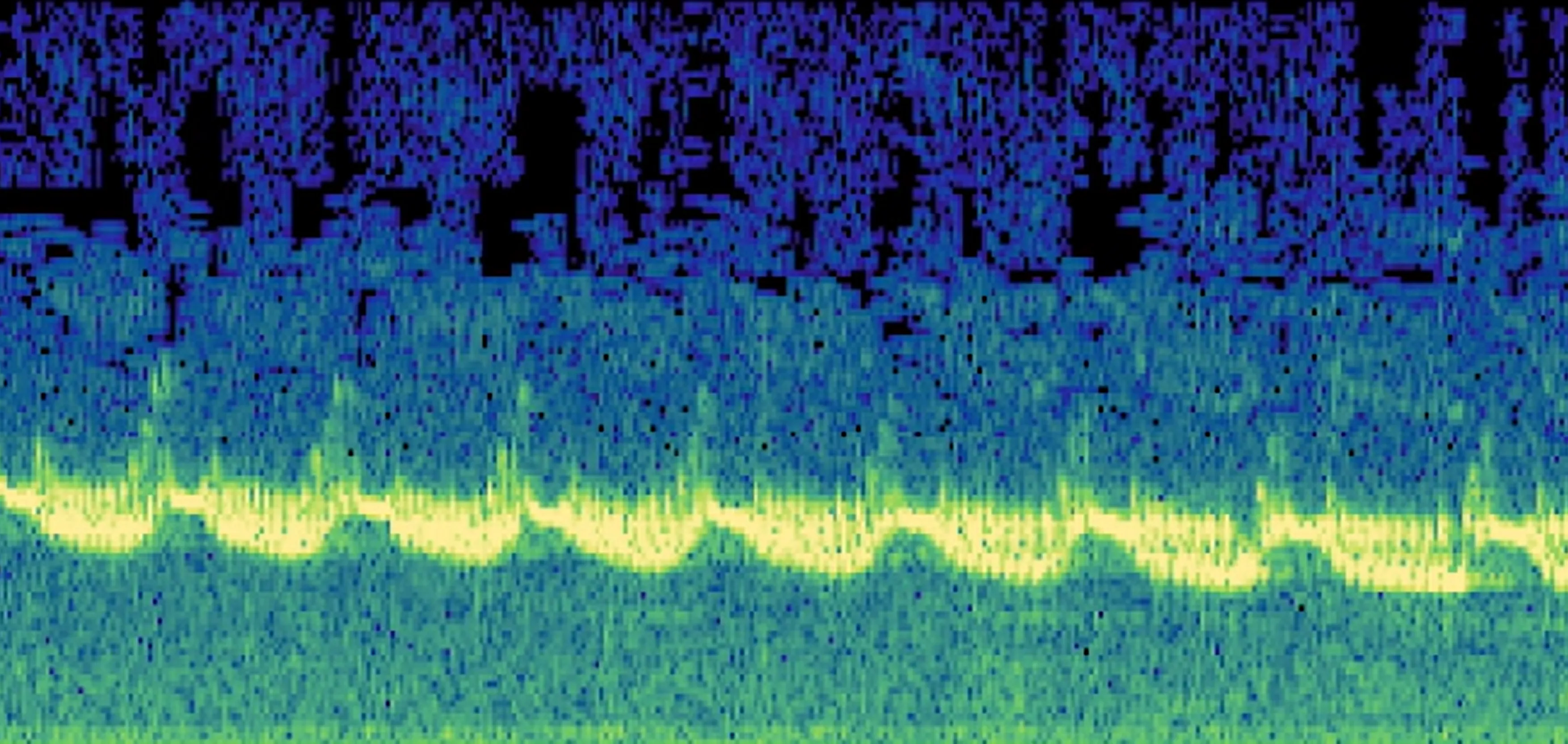
System has an effective source level from 230 to 240 underwater dB at 1 meter. Uniform blue-green field. Bright yellow line at base signals constant mechanical low-frequency hum.
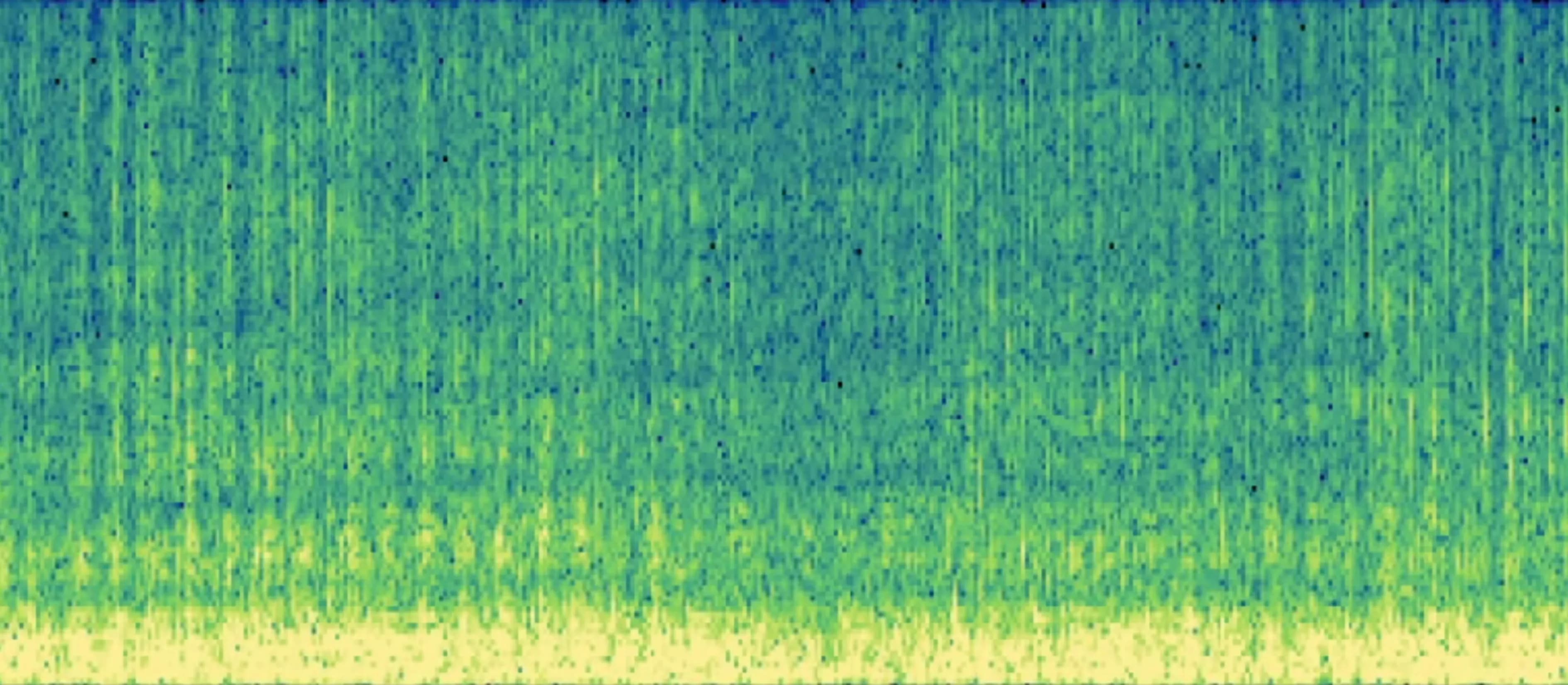
Surface Vessel
0-20 KHz
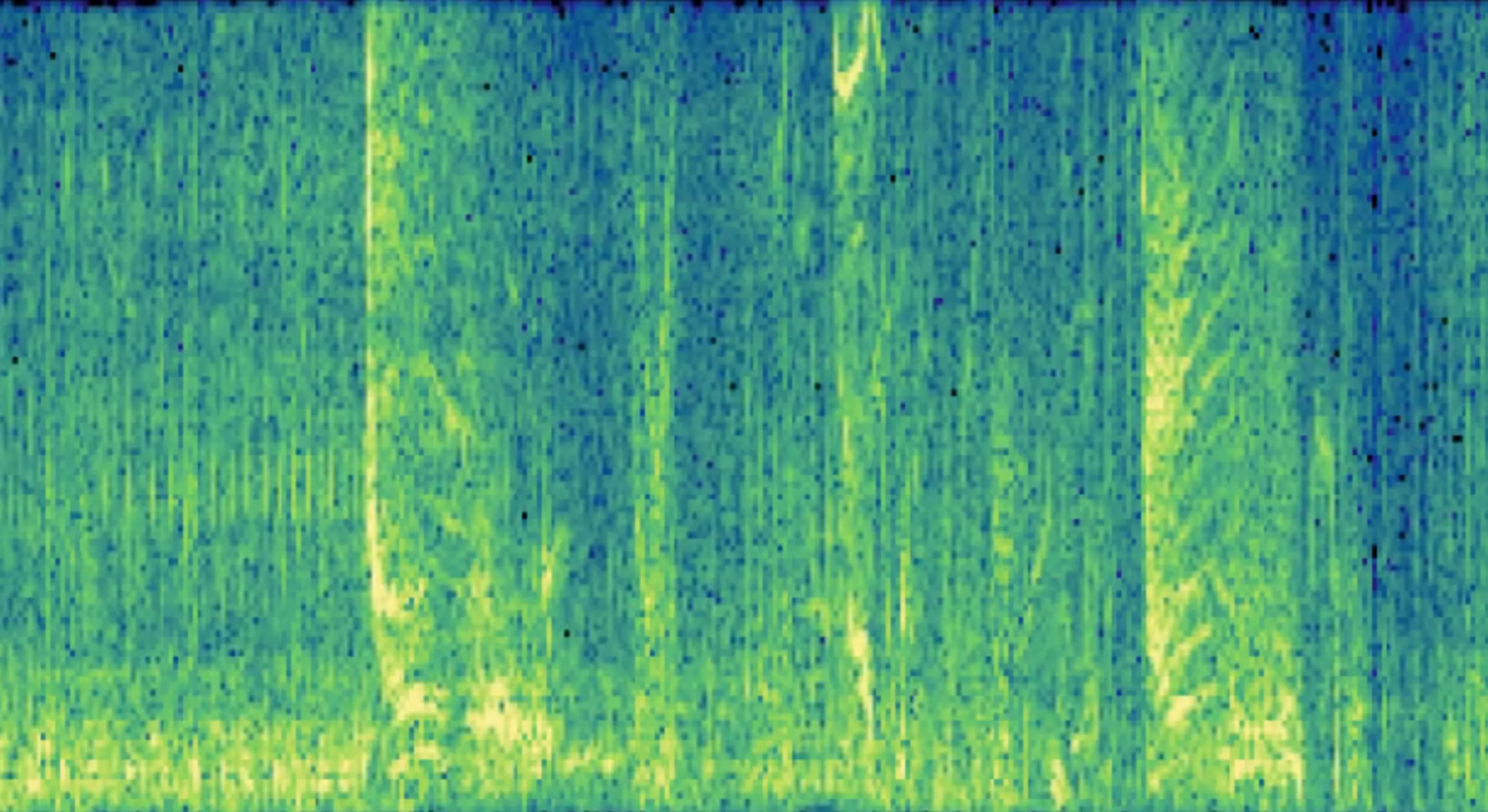
Broadband cavitation noise from propellers, motors and gears, clear propeller blade rates, high overall energy. Easy to detect, important to classify to ignore known traffic.
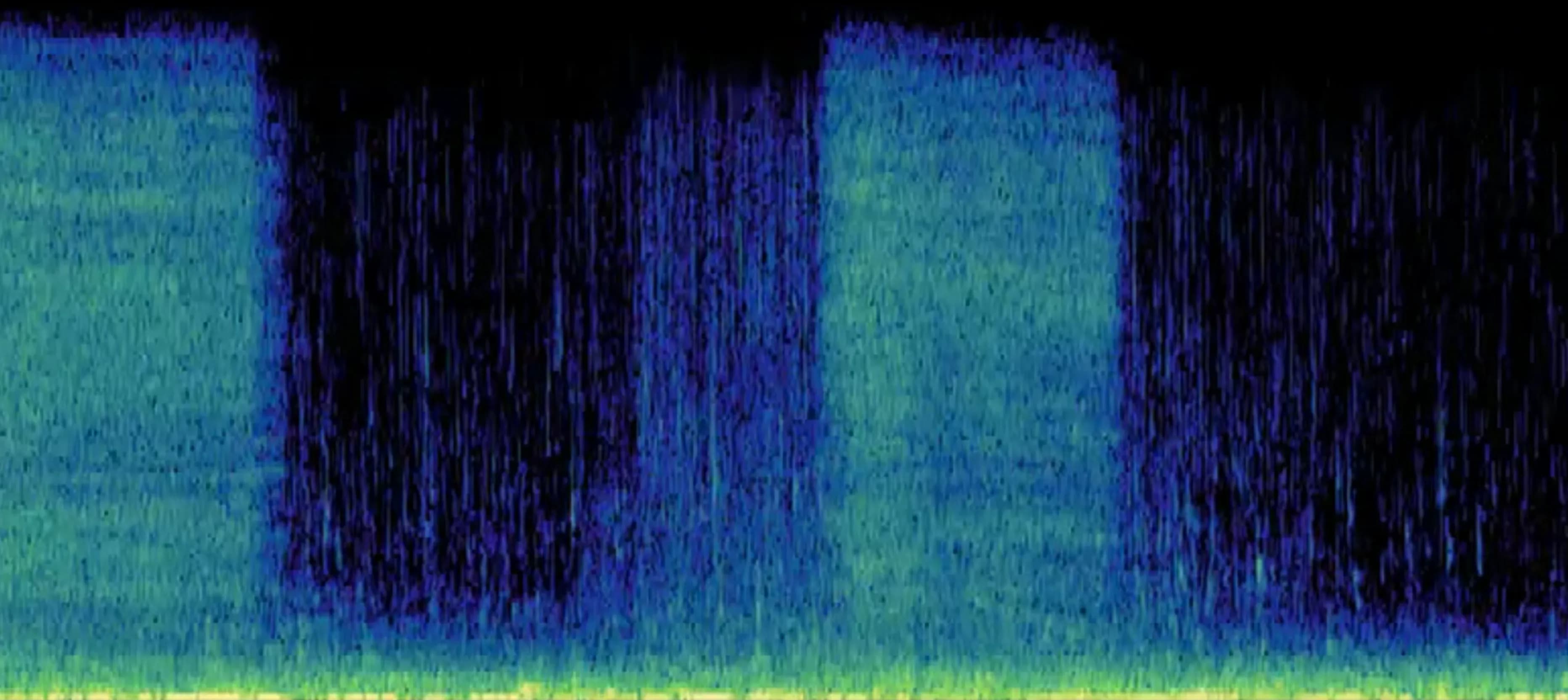
Midget Submarine
3-7 KHz
Persistent yellow band at 3–5 kHz. Two burst events spike to ~7 kHz. Blue floor above 10 kHz.
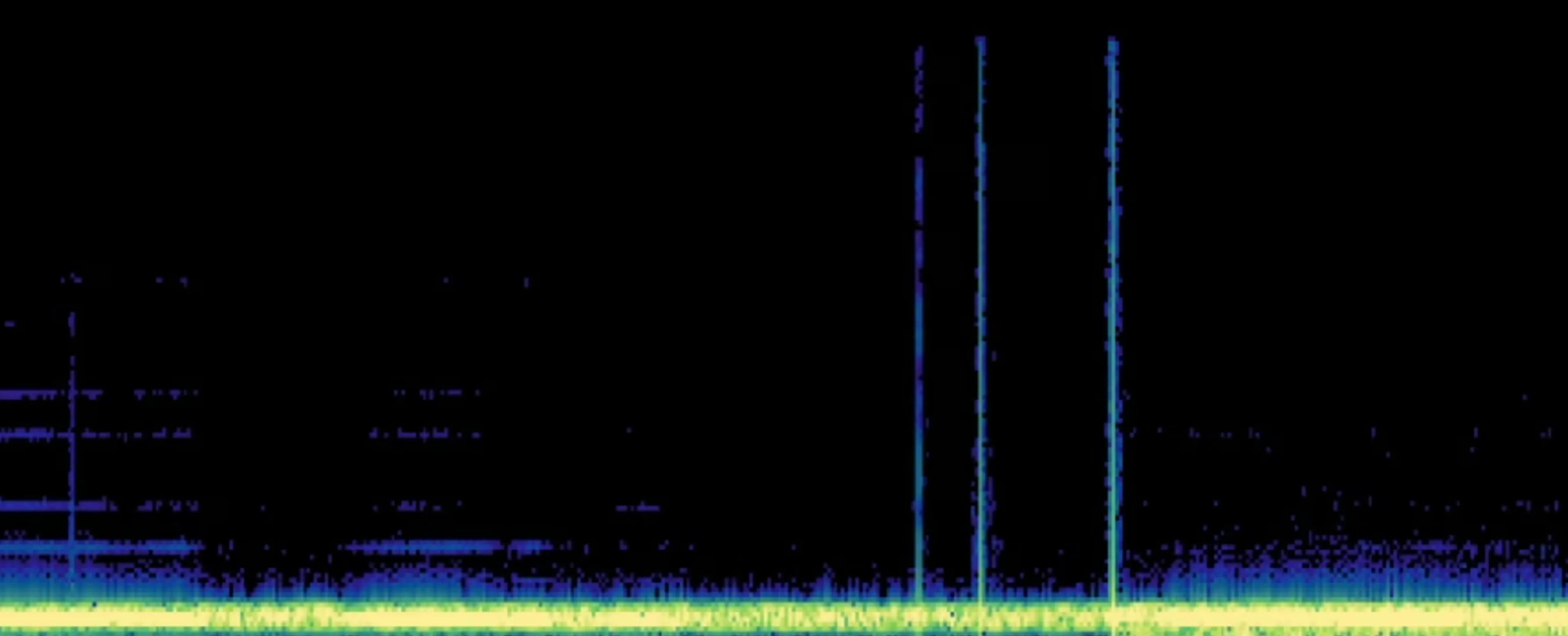
Marine Life
0.5-3 KHz
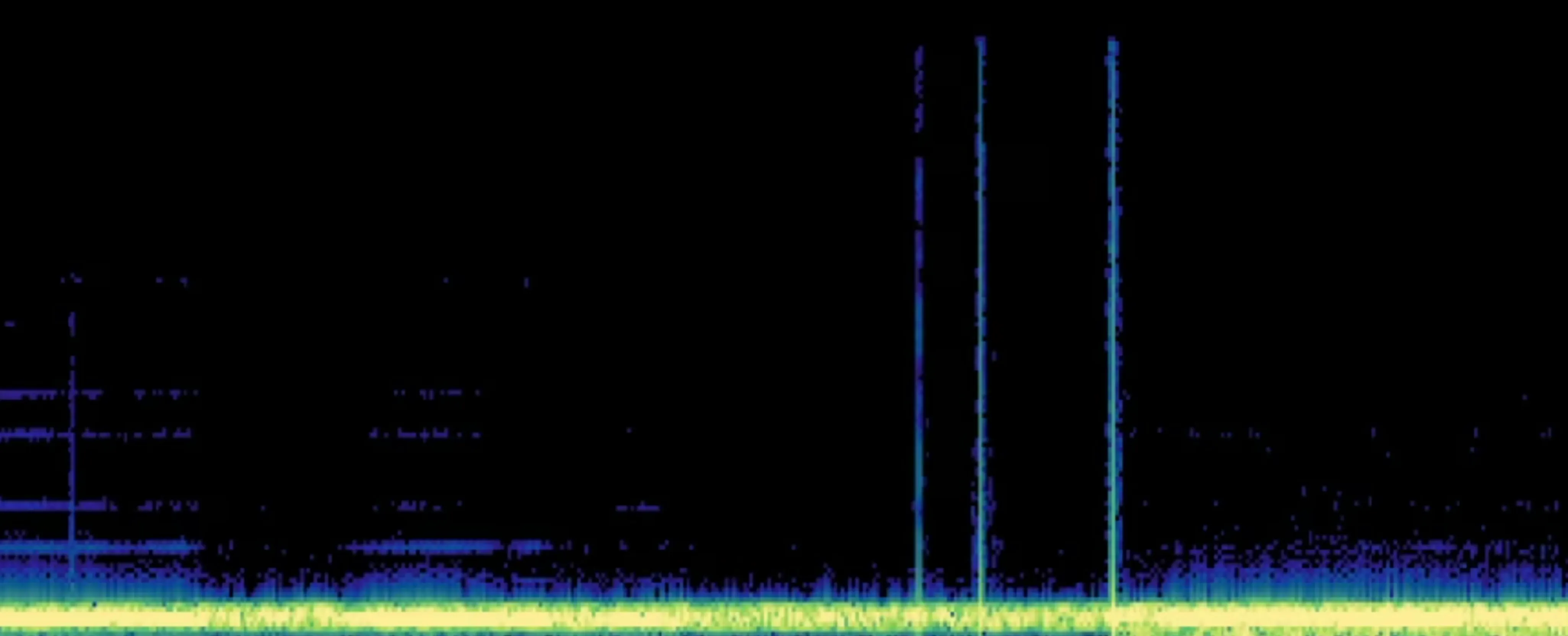
Underwater recording of a Blue Whale. Two tall vertical spikes near 5s. Sub-1 kHz bands mark structured tonal calls.
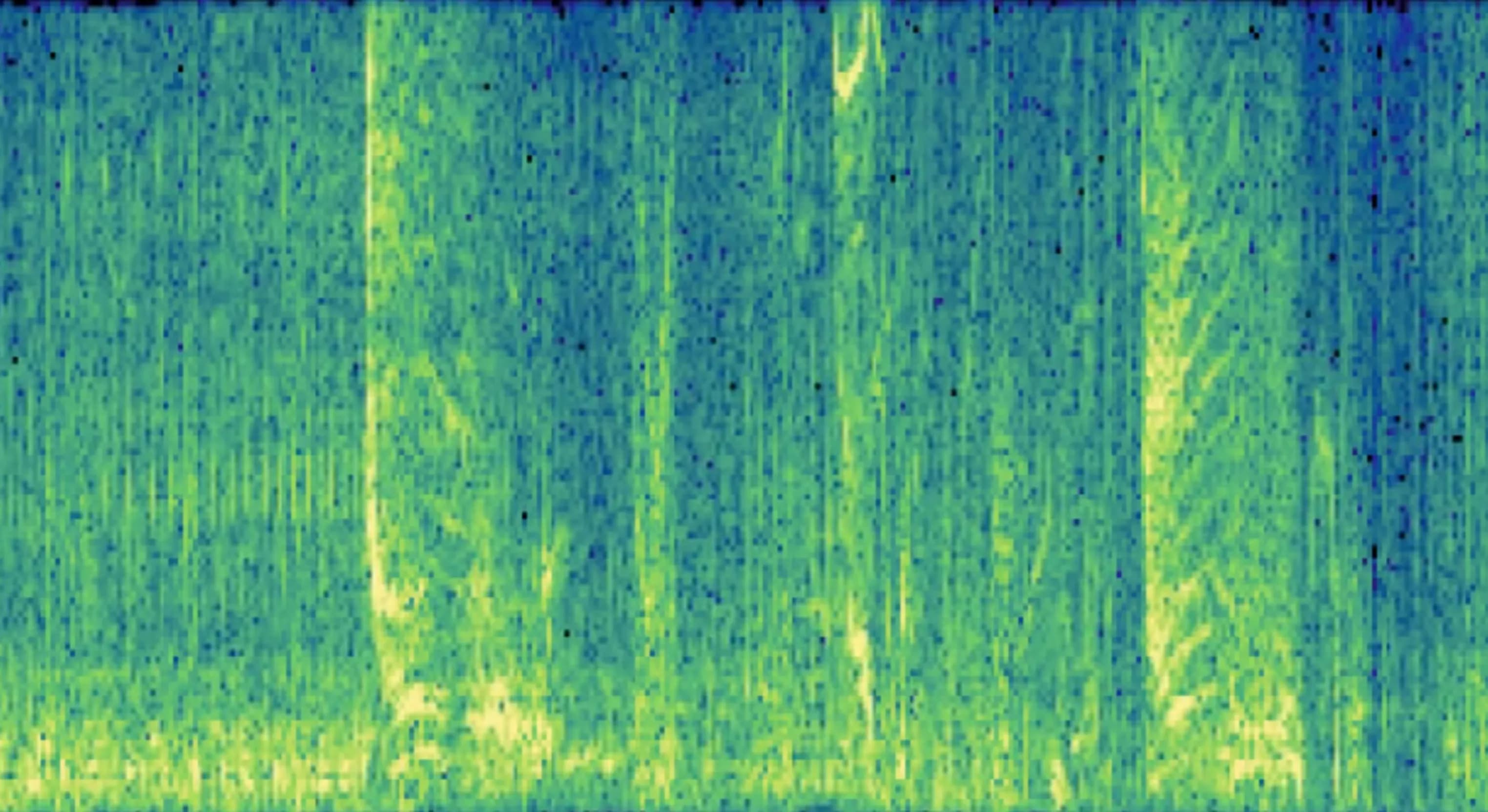
Diver / Combat Swimmer
0-20 KHz
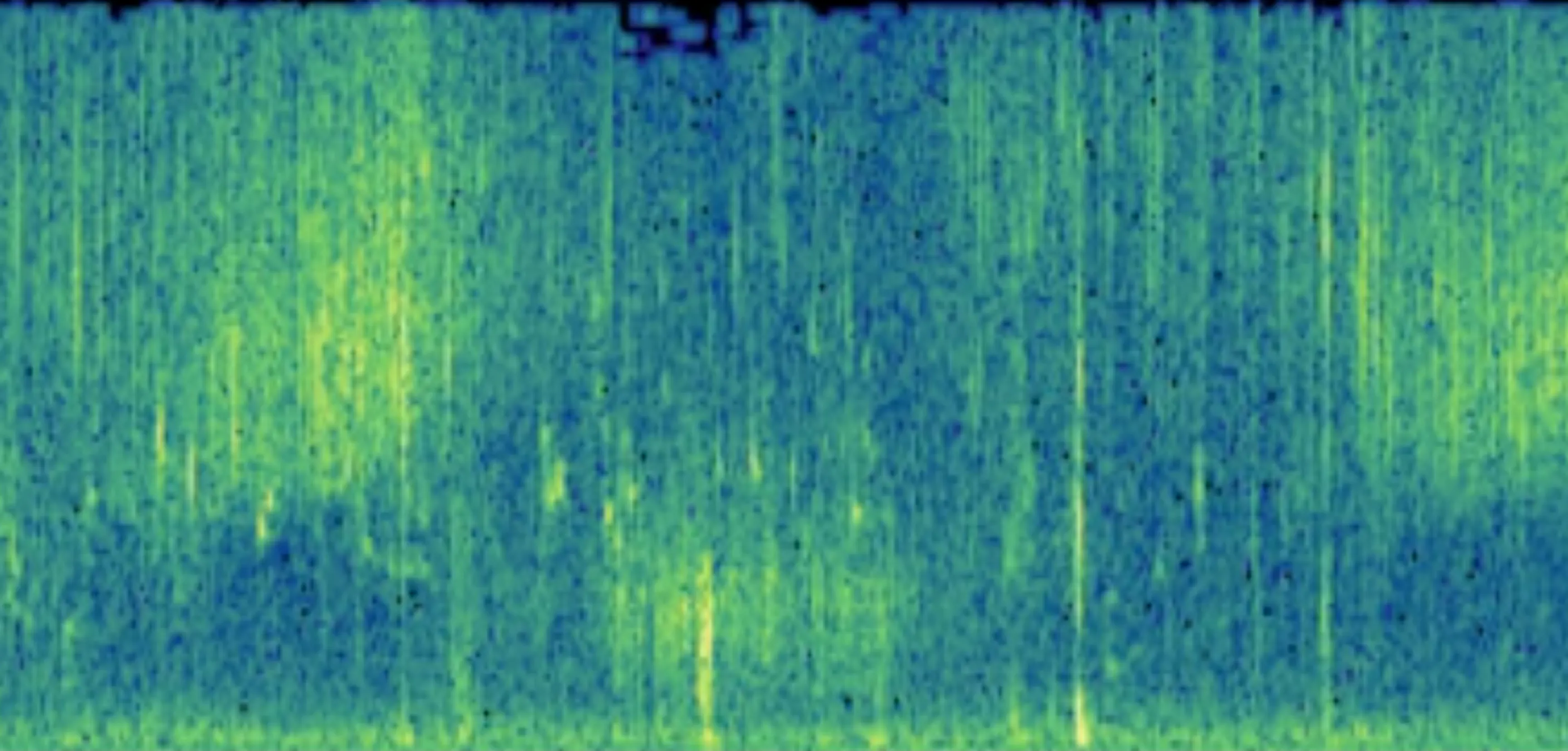
Periodic broadband bursts from breathing apparatus. Characteristic 10-15 second exhale cycle.
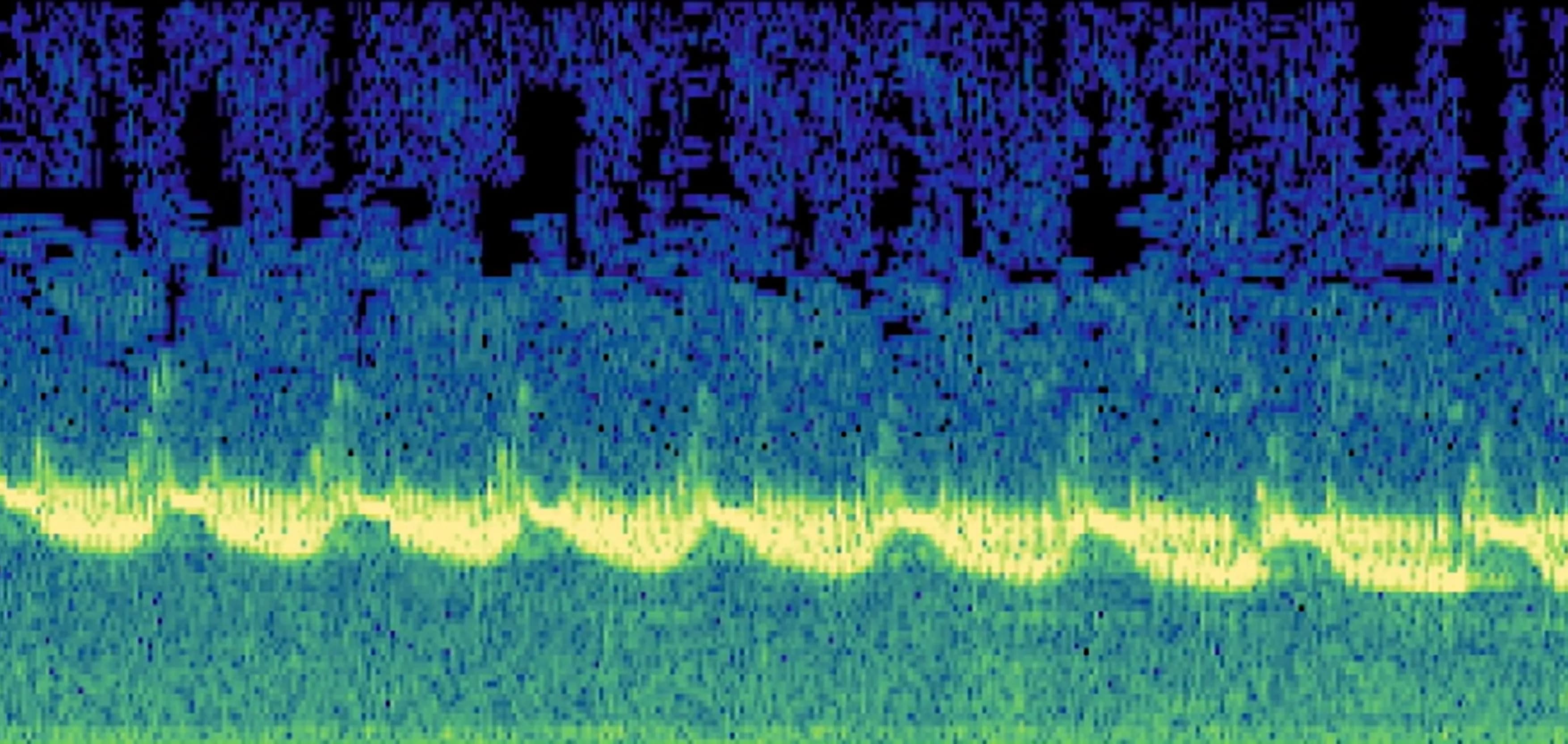
Seismic Event
Impulsive
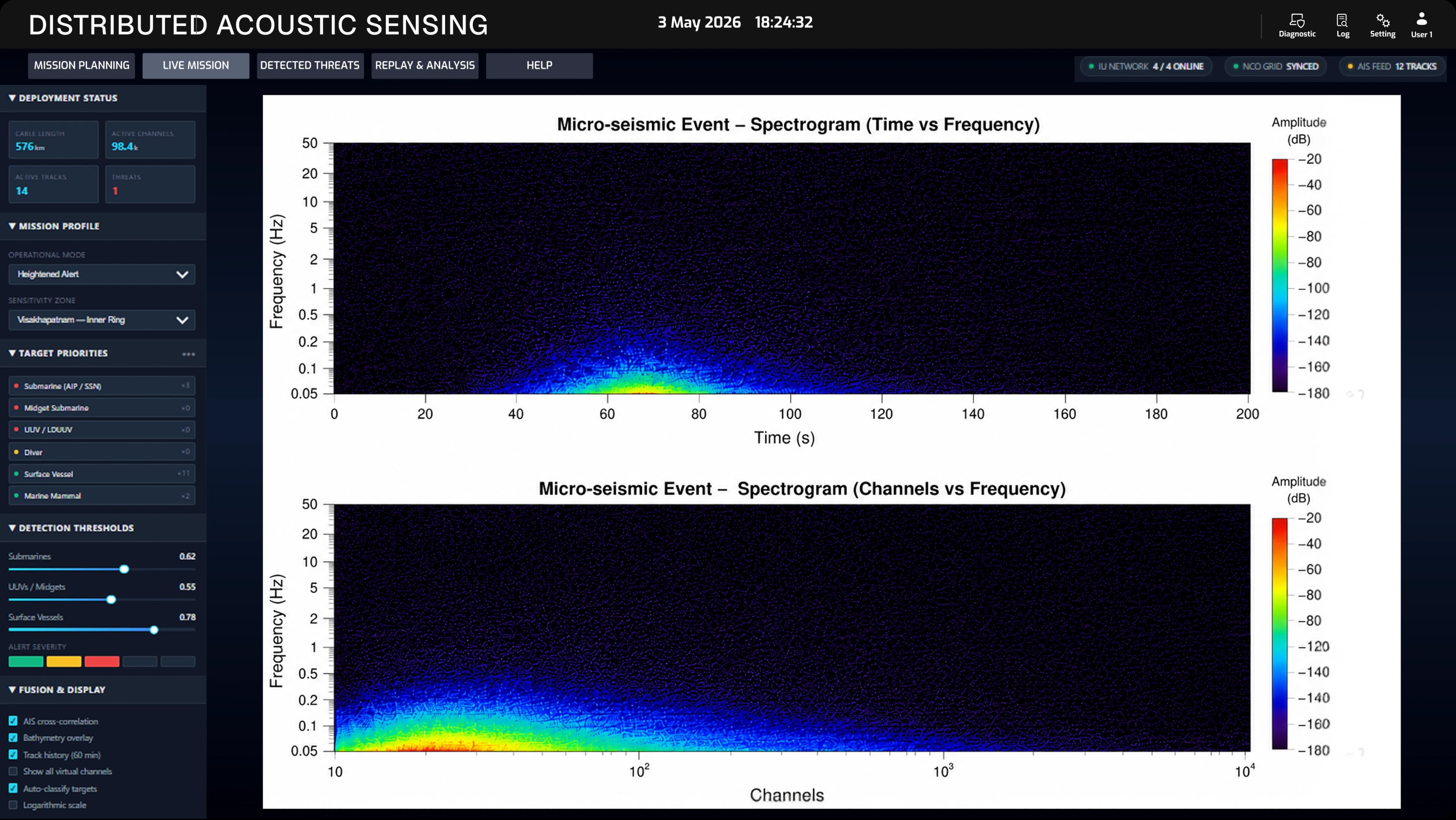
Underwater recording of an earthquake. Bright yellow base; intense low-freq energy. Gradual build-up, no sharp spikes.
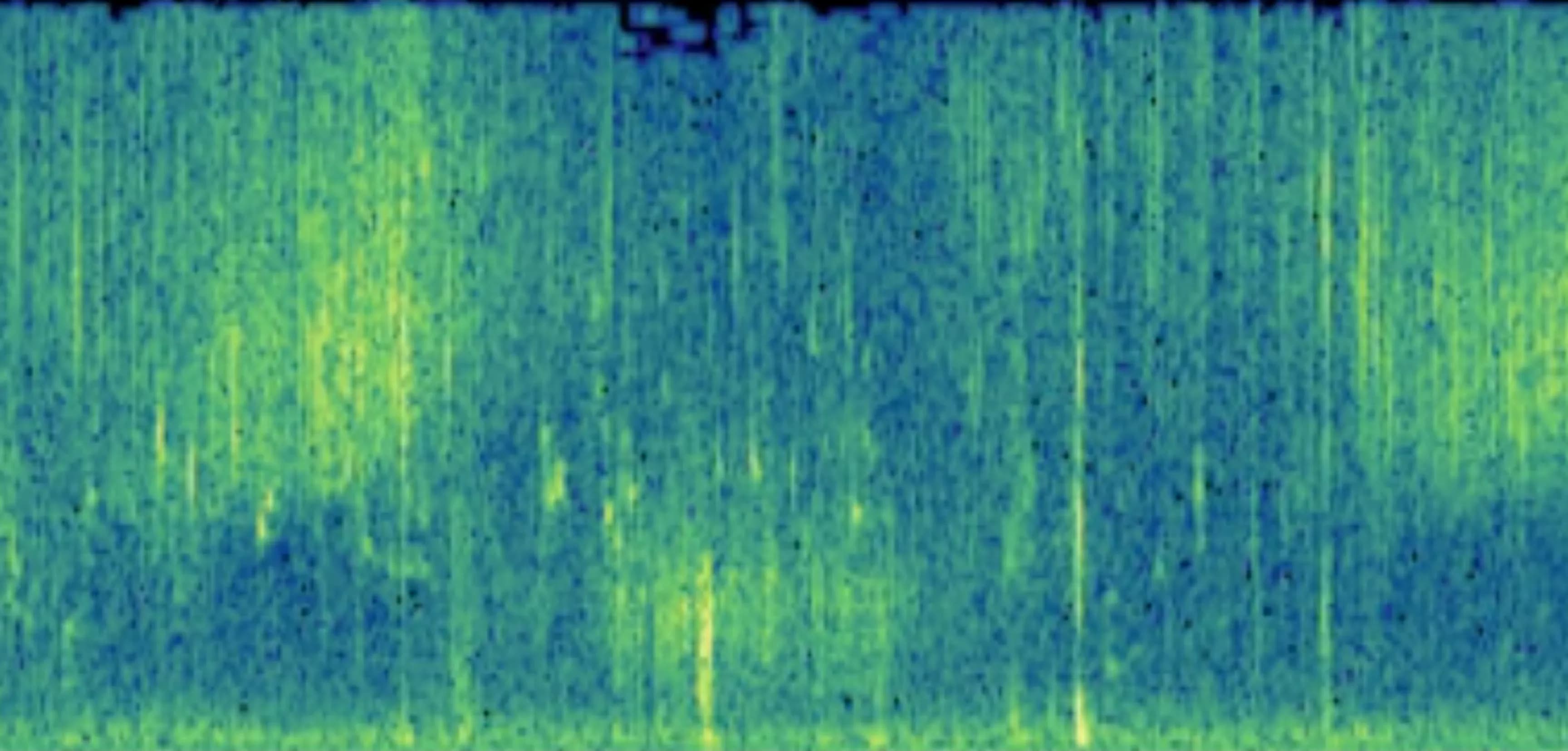
Torpedo
Impulsive
Mid-band green stripe; intense yellow band near 7–10 kHz. Strong low-freq base. Energy fades above 15 kHz. Rhythmic propulsive signature.